
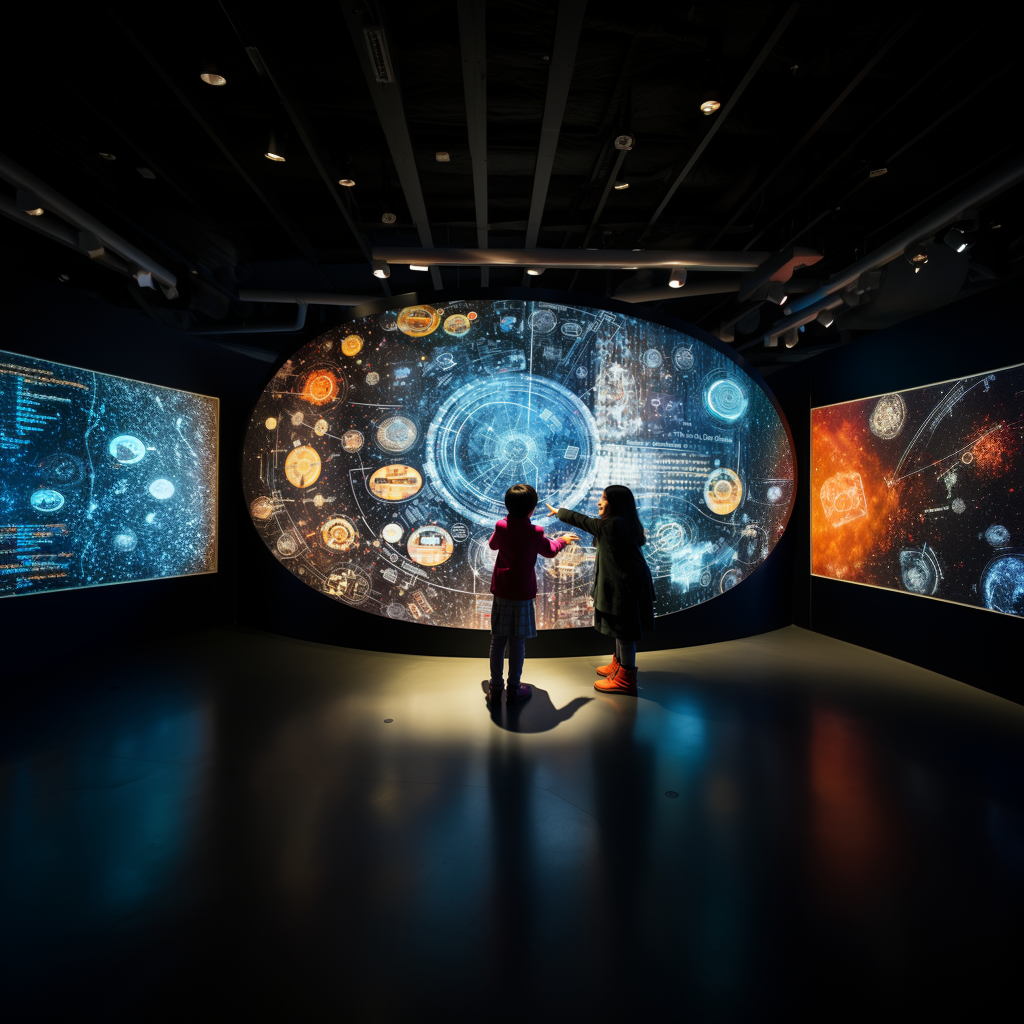
Imagine stepping into a museum where history comes to life before your eyes, where ancient artifacts speak their stories, and where you can explore distant lands and cultures without leaving the gallery. In an AR museum, visitors use AR-enabled devices such as smartphones, tablets, or AR glasses to unlock a world of augmented reality content that enhances their museum experience.
As visitors wander through the museum galleries, they encounter digital overlays, animations, and interactive elements that complement the physical exhibits. Virtual guides provide contextual information, guiding visitors through the exhibits and offering insights into the historical significance, cultural context, and artistic techniques of each artifact.
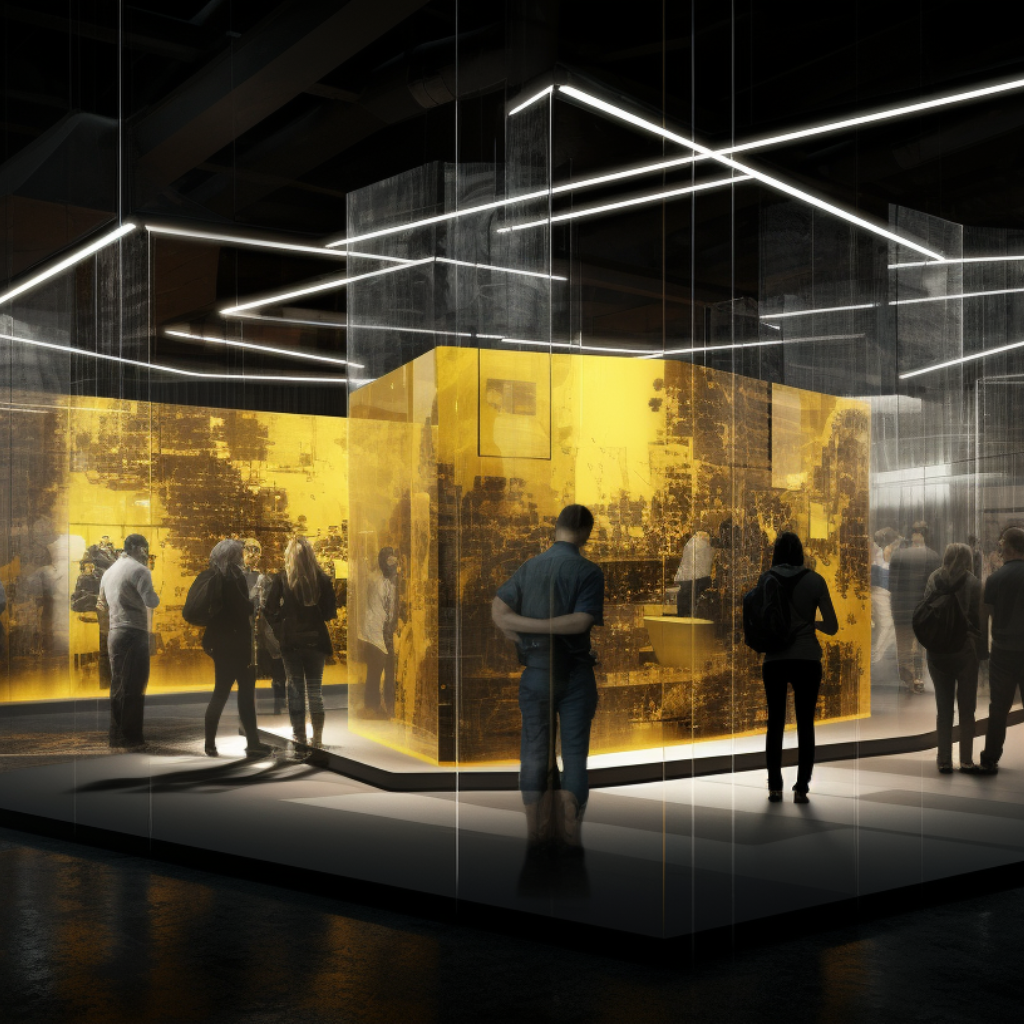
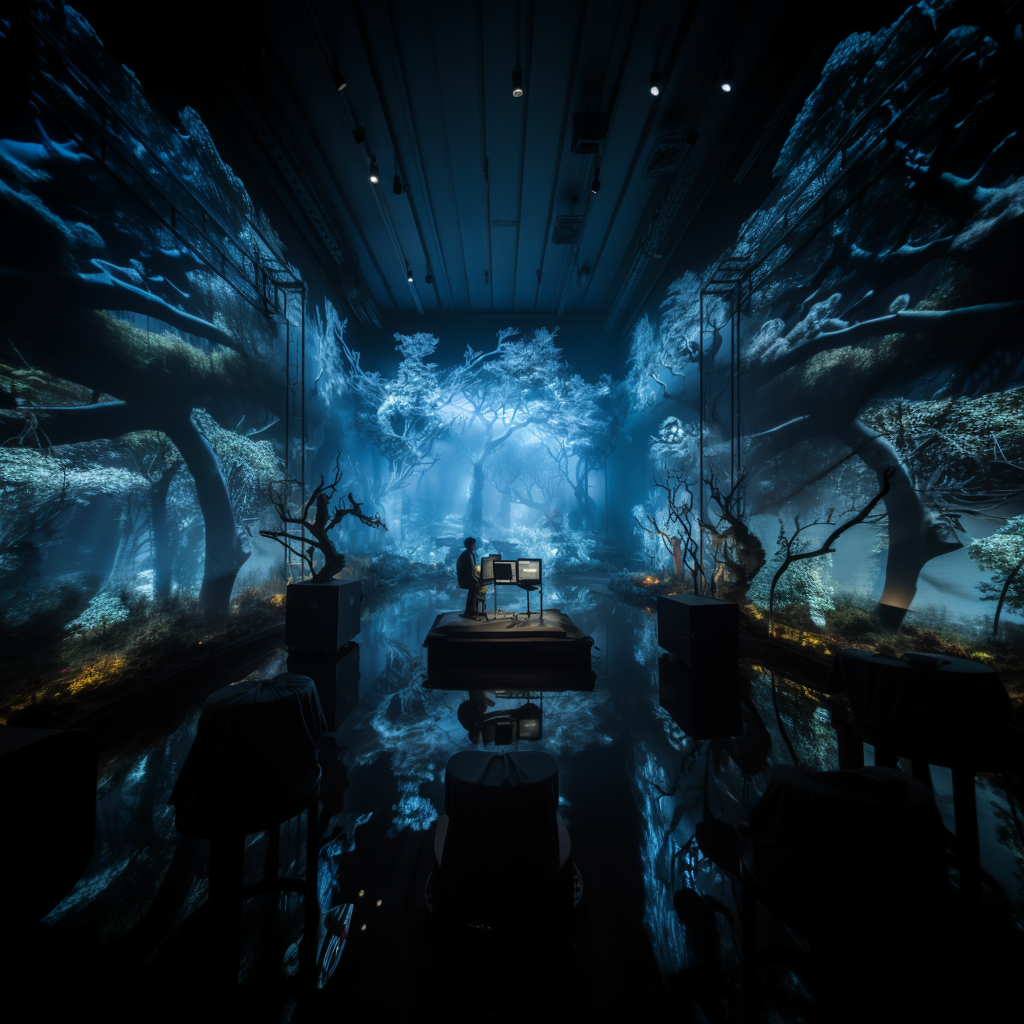

Using their AR-enabled devices, visitors can interact with virtual reconstructions, explore 3D models, and immerse themselves in multimedia presentations that bring the museum’s collections to life. Whether it’s virtually stepping inside a reconstructed ancient temple, witnessing a pivotal moment in history through augmented reality storytelling, or examining intricate details of an artifact up close, AR technology offers a new level of engagement and immersion.
Visitors can customize their museum experience by selecting thematic tours, personalizing content preferences, and participating in interactive activities tailored to their interests. From guided tours led by virtual avatars to scavenger hunts and AR-enhanced exhibits, the possibilities for exploration and discovery are endless.
Why Adding AR Elements Into Traditional Museum?
- Enhanced Visitor Engagement: AR technology enriches the museum experience by providing interactive and immersive content that captivates visitors’ attention and stimulates their curiosity. By blending virtual and physical elements, AR museums offer a dynamic and engaging environment that appeals to a diverse range of visitors.
- Educational and Informative: AR museums provide valuable educational opportunities, offering visitors insights into history, science, art, and culture through interactive storytelling, multimedia presentations, and virtual reconstructions. Visitors can learn about historical events, explore scientific concepts, and gain a deeper understanding of the world around them in a fun and engaging way.
- Accessibility and Inclusivity: AR museums can be more accessible and inclusive than traditional museums, as they provide alternative modes of engagement for visitors with disabilities or special needs. AR technology allows visitors to customize their experience, access content in multiple languages, and engage with exhibits in ways that accommodate their individual preferences and abilities.
- Preservation and Conservation: AR technology can be used to enhance the preservation and conservation of cultural heritage artifacts and sites. By creating virtual reconstructions and digital replicas of fragile or endangered artifacts, museums can make these objects accessible to a wider audience while minimizing the risk of damage or deterioration.
- Visitor-Centric Experience: AR museums offer a visitor-centric approach to museum experiences, allowing visitors to explore exhibits at their own pace, customize their interactions, and engage with content that aligns with their interests and preferences. This personalized approach enhances visitor satisfaction and encourages repeat visits.
- Innovative Exhibition Design: AR technology enables museums to create innovative exhibition designs that blur the boundaries between physical and virtual space. Museums can experiment with interactive storytelling, immersive environments, and multimedia installations that captivate visitors’ imagination and create memorable experiences.
- Promotion of Cultural Heritage: AR museums can promote the preservation and appreciation of cultural heritage by making it more accessible and engaging to a global audience. By leveraging AR technology, museums can share their collections with people around the world, fostering cross-cultural exchange and dialogue.
Overall, an AR museum offers a dynamic and immersive experience that transforms the way visitors engage with art, history, science, and culture. By leveraging AR technology, museums can enhance visitor engagement, expand educational opportunities, and promote the preservation and appreciation of cultural heritage for future generations.