

Imagine walking into a gallery space filled with stunning artwork, but instead of traditional paintings or sculptures, the walls come alive with vibrant digital creations that seem to materialize out of thin air. In an AR art exhibition, visitors use smartphones, tablets, or AR glasses to explore a dynamic world where art and technology intersect.
As visitors move through the exhibition space, they can interact with virtual artworks, trigger animations, and even alter the appearance of pieces using gestures or voice commands. Each artwork is brought to life through AR, allowing visitors to experience it from multiple angles and perspectives.
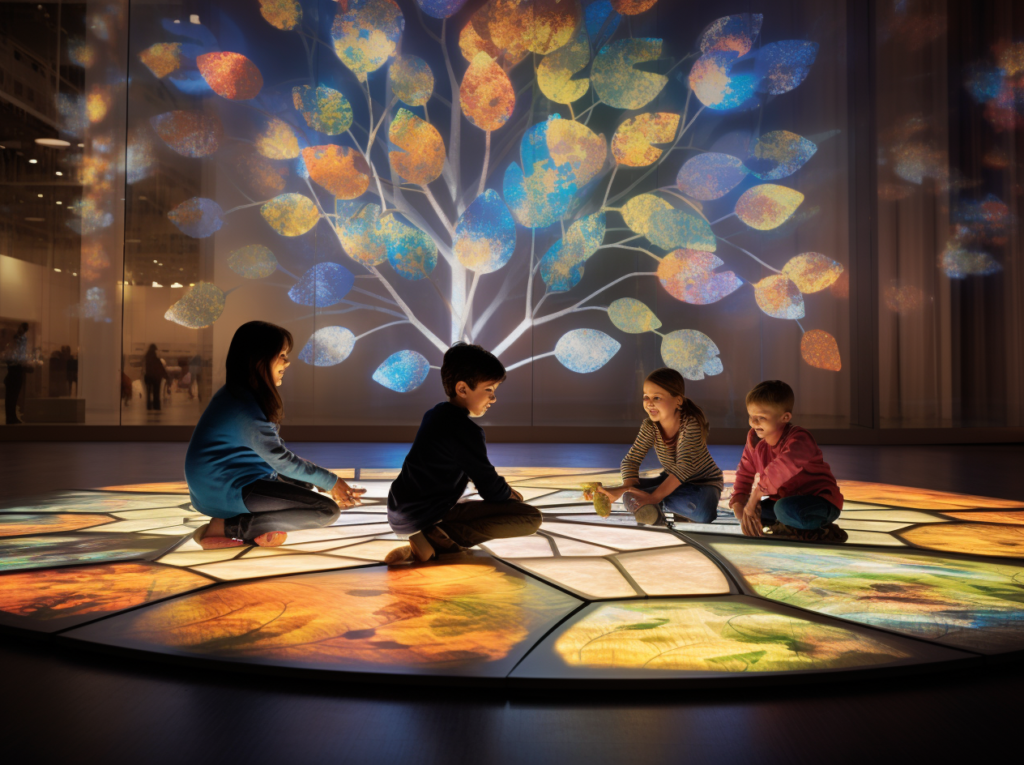
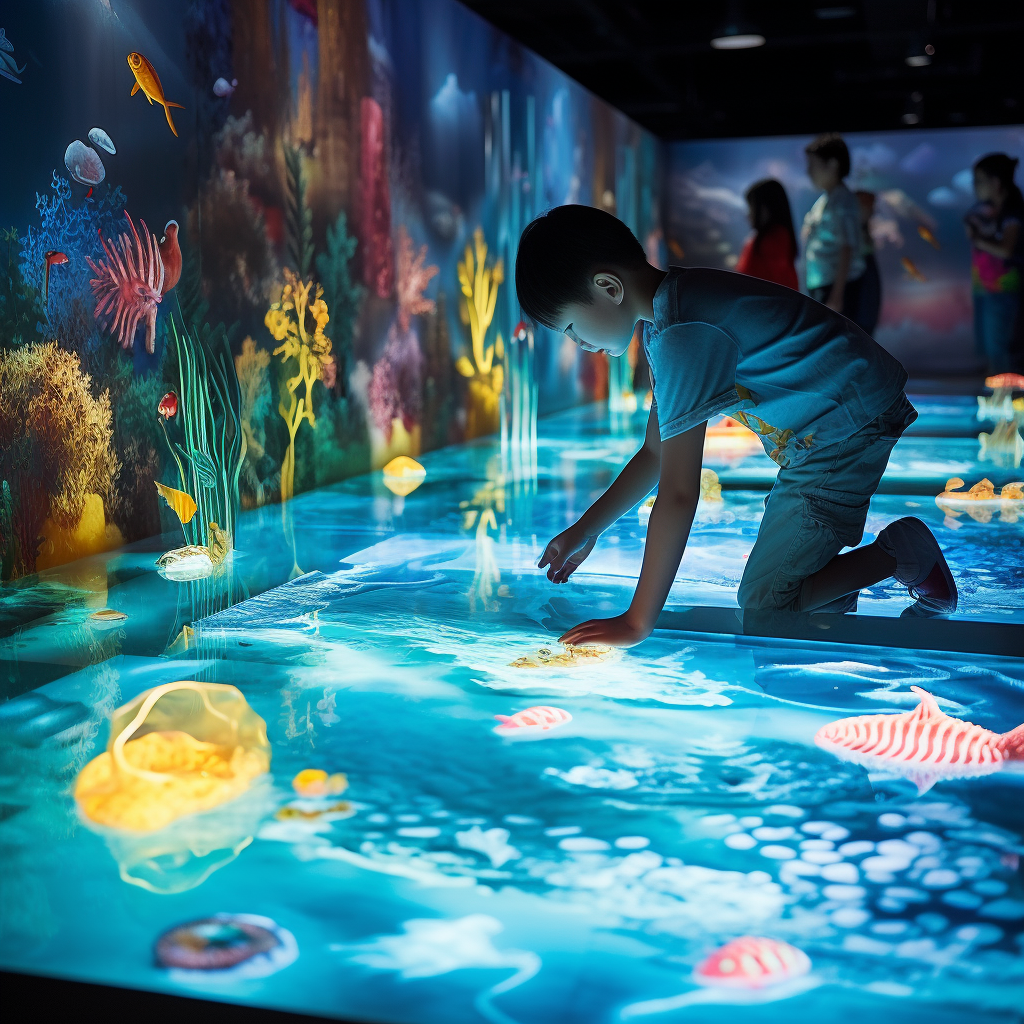
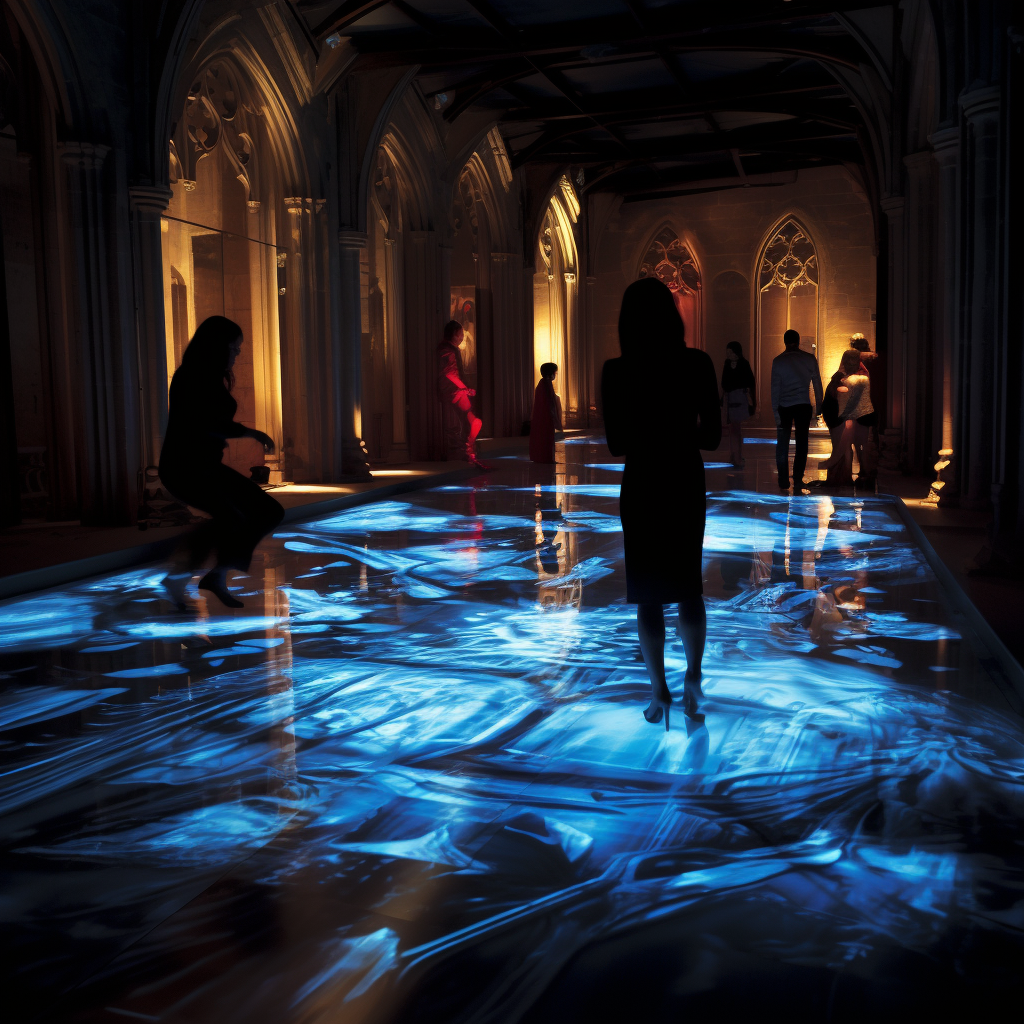
The exhibition may feature a diverse range of digital artworks, including 3D sculptures, animated installations, immersive environments, and interactive experiences. From abstract compositions to hyper-realistic renderings, the artwork spans a wide spectrum of styles and genres, showcasing the versatility and creativity of digital art.
Visitors can engage with the artwork in various ways, from exploring hidden details and symbolism to creating their own interpretations and narratives. Some exhibitions may include interactive elements, such as puzzles, games, or multimedia presentations, adding an extra layer of engagement and interactivity.
The AR technology seamlessly integrates virtual elements into the physical environment, allowing visitors to experience the exhibition in a way that feels immersive and lifelike. Artworks may appear to float in mid-air, blend seamlessly with their surroundings, or transform in response to visitor interactions, creating a sense of wonder and enchantment.
Why Includes AR in Exhibitions?
- Enhanced Visitor Experience: AR art exhibitions offer a more immersive and interactive experience compared to traditional art galleries. Visitors can engage with artworks in new and exciting ways, exploring hidden details, triggering animations, and interacting with virtual elements.
- Accessible Art Appreciation: AR art exhibitions can make art more accessible to a wider audience, including those who may not have access to traditional galleries or museums. By using familiar technology such as smartphones or tablets, visitors can engage with the artwork on their own terms, at their own pace.
- Expanded Creative Possibilities: AR technology opens up new creative possibilities for artists, allowing them to experiment with digital mediums, interactive storytelling, and immersive experiences. Artists can push the boundaries of traditional art forms and create truly unique and innovative works that captivate audiences.
- Educational Opportunities: AR art exhibitions can serve as valuable educational tools, providing opportunities for learning and exploration. Visitors can gain insights into artistic techniques, cultural contexts, and historical references, deepening their understanding and appreciation of art.
- Flexible Exhibition Spaces: Unlike traditional art exhibitions, AR exhibitions are not limited by physical space or logistical constraints. They can be hosted in a variety of venues, from traditional galleries and museums to outdoor spaces, pop-up installations, and virtual environments, reaching audiences around the world.
- Environmental Sustainability: AR art exhibitions offer a more environmentally sustainable alternative to traditional exhibitions, as they eliminate the need for physical artworks, shipping, and installation. Digital artworks can be easily reproduced and shared without producing waste or consuming natural resources.
- Community Engagement: AR art exhibitions can foster community engagement and participation, bringing people together to share in a collective experience. Visitors can interact with each other, share their impressions and interpretations, and contribute to the ongoing dialogue surrounding the artwork.
Overall, an AR art exhibition offers a dynamic and immersive experience that combines the beauty of traditional art with the excitement of cutting-edge technology. By leveraging AR technology, these exhibitions push the boundaries of creativity, engagement, and accessibility, enriching the cultural landscape and inspiring audiences of all ages.